

May 18, 2026
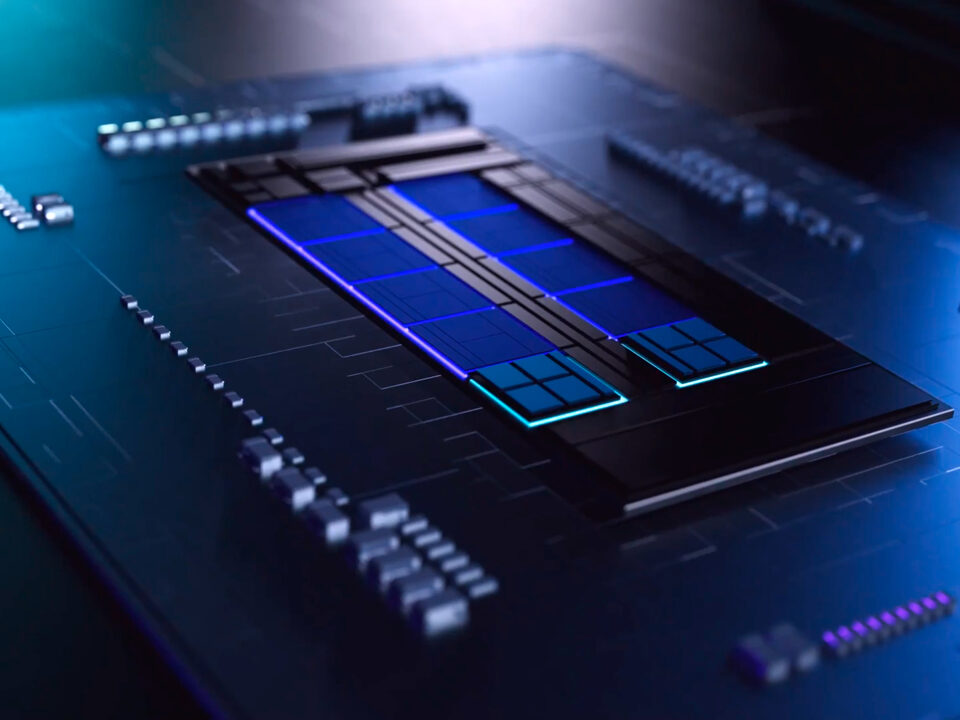
Intel canned the Core Ultra 9 290K Plus from the Arrow Lake refresh lineup announced a few months ago, despite a swirling of leaks and rumors confirming its existence. The chip ultimately never came out, but a Chinese reviewer just got their hands on an engineering sample and put it through the wringer — the underwhelming results in games and professional apps show why Intel likely chose to keep it in the archives.
May 13, 2026
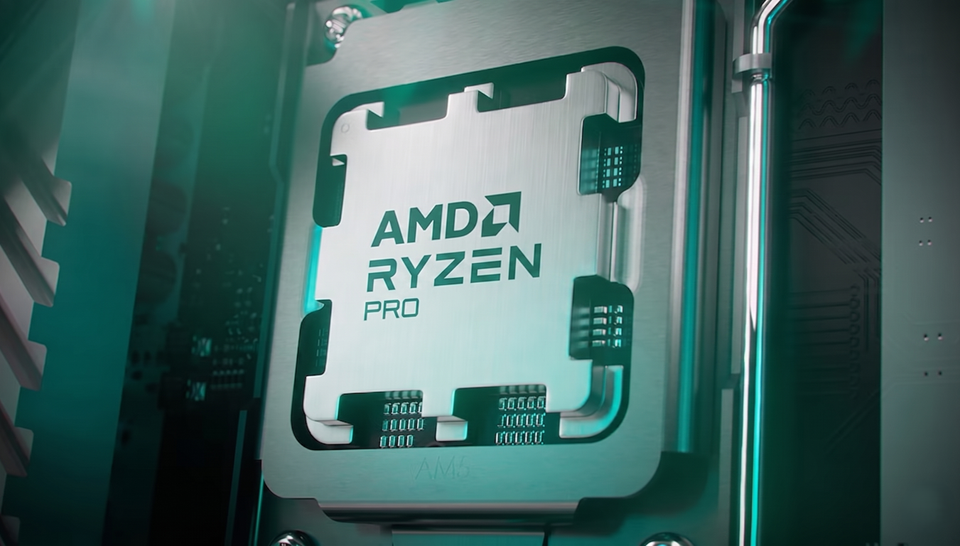
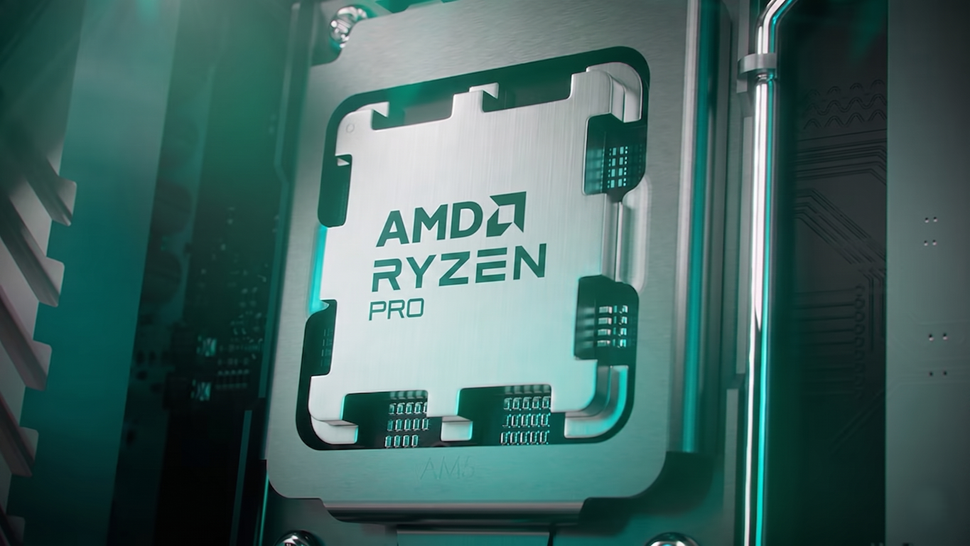
AMD has just launched six new Ryzen PRO series CPUs as part of its Ryzen 9000 family, bringing 3D V-Cache for the first time to this lineup, along with unlocking higher TDPs. The Ryzen PRO series is intended for workstation users who prioritize security and stability, even though they otherwise use identical silicon to mainstream desktop parts.
April 22, 2026

For over a decade, Intel has been consistent in restricting its unlocked, overclockable K-series CPUs exclusively to the mid-range and high-end CPU segments. Rare exceptions to this strategy have included the Pentium G3258 and Core i3-9350K. However, PC Games Hardware reports that Intel is looking to change this strategy in the future, and plans to introduce more overclocking-friendly CPUs at more affordable price points.
April 2, 2026
Conventional DRAM contract prices will rise 58% to 63% quarter-over-quarter in Q2 2026, while NAND Flash contract prices will jump 70% to 75% QoQ, according to TrendForce's latest memory pricing survey. The increases follow a Q1 that saw DRAM contracts climb by a record 90% to 95% QoQ, meaning the rate of DRAM price growth has slowed somewhat, even as NAND Flash prices have accelerated sharply from the prior quarter's circa 60% increase.