

February 2, 2026
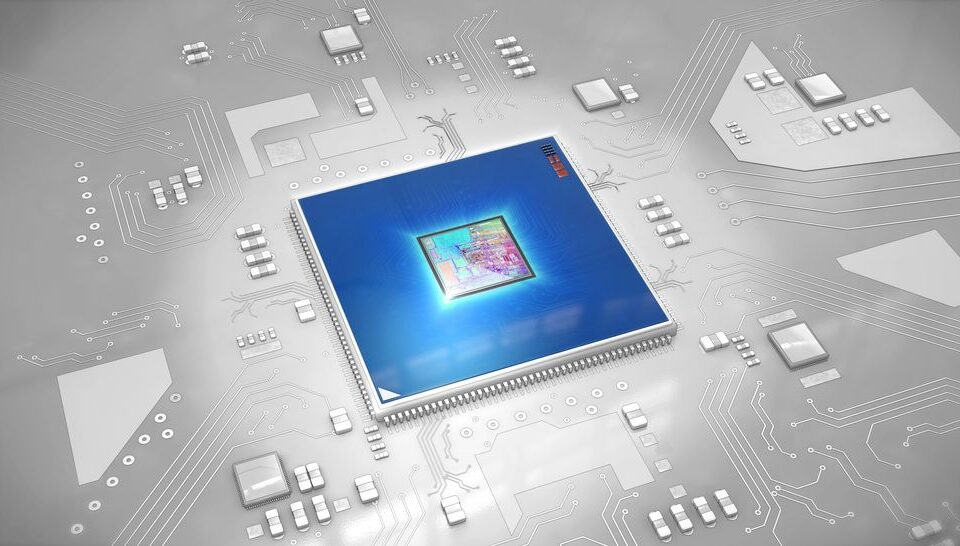
AMD appears to be fundamentally redesigning its CPU architecture for the upcoming Zen 6 chips, rather than making it a subset of Zen 5. As a part of those improvements, thanks to X user InstLatX64, we now know that AMD has finally adopted Intel's FRED instructions for its new silicon, along with fresh matrix multiplication and bit reversal instructions.
January 19, 2026

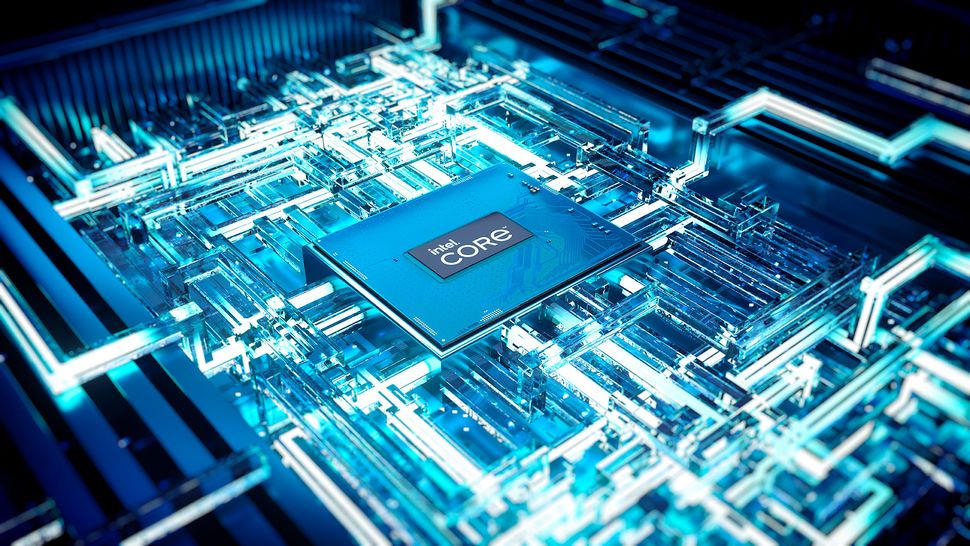
The first citing of a 10 P-core Bartlett Lake sample has emerged, with benchmark numbers giving us an idea of its potential performance. "X86 is dead&back" on X shared performance numbers of the new 10-core chip, allegedly dubbed the Core 7 253PE, compared to the Core i5-14400 featuring 26% greater multi-threaded performance despite having fewer cores.
January 5, 2026
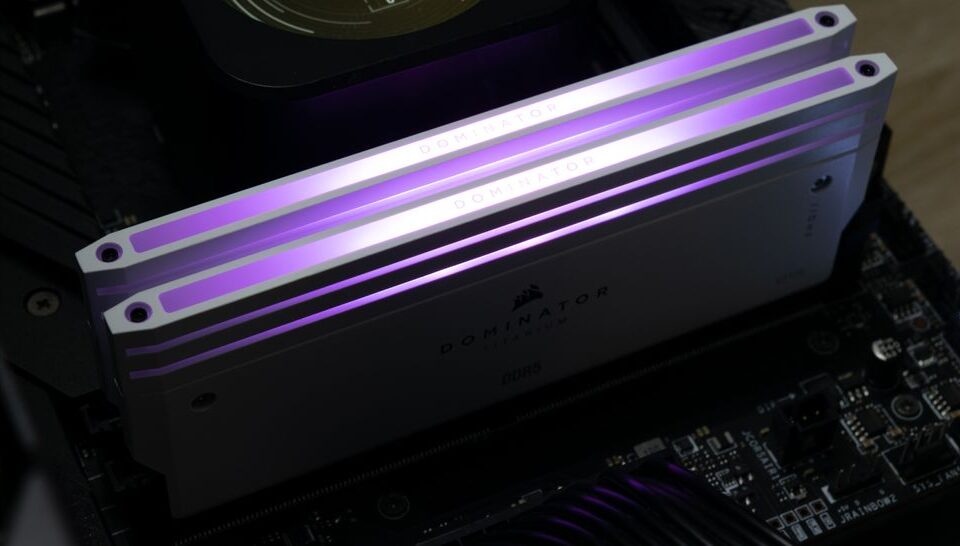
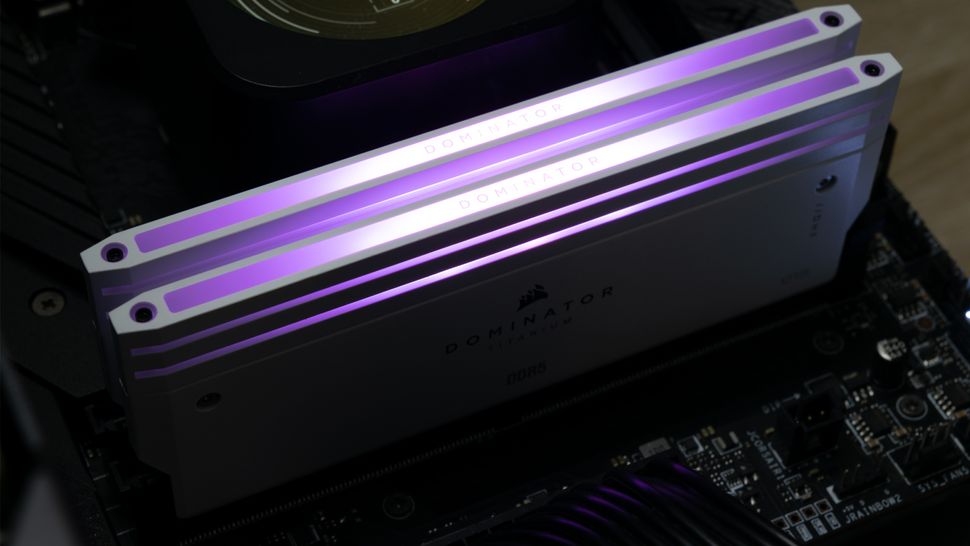
A couple of days ago, Corsair's webstore listed a 48GB kit of Dominator Titanium DDR5 RAM for just $239.99 — a price too reasonable to be true given the worldwide shortage. Naturally, many people swept up this deal, but instead of receiving a confirmation, they got a different message after checkout. Corsair cancelled all the orders, citing a listing error while apologizing for the inconvenience via email.
December 26, 2025
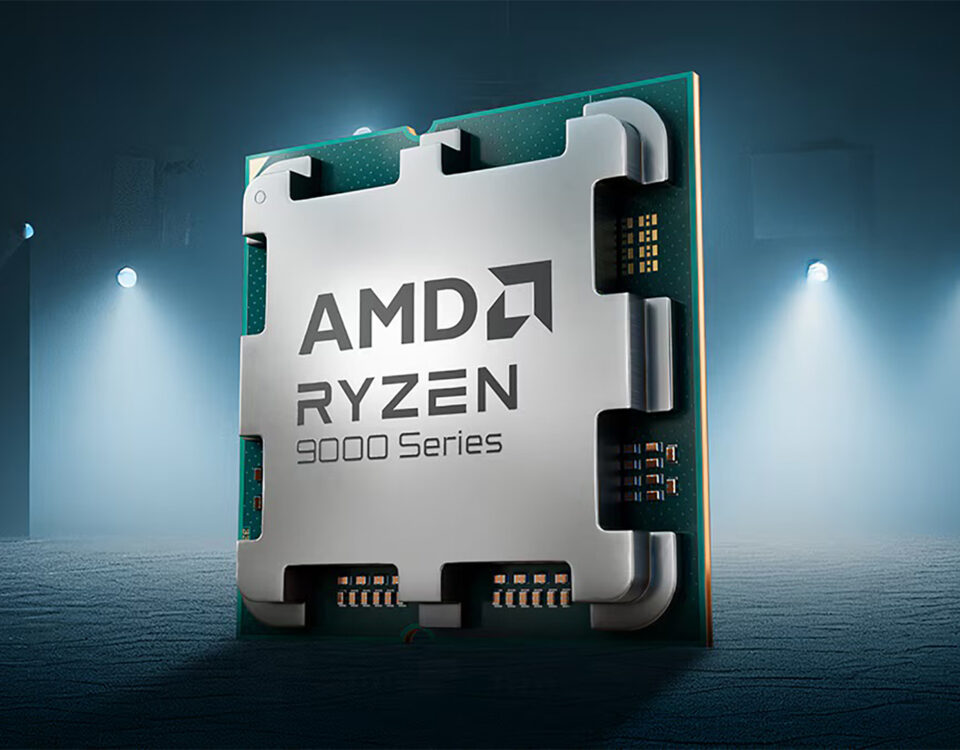
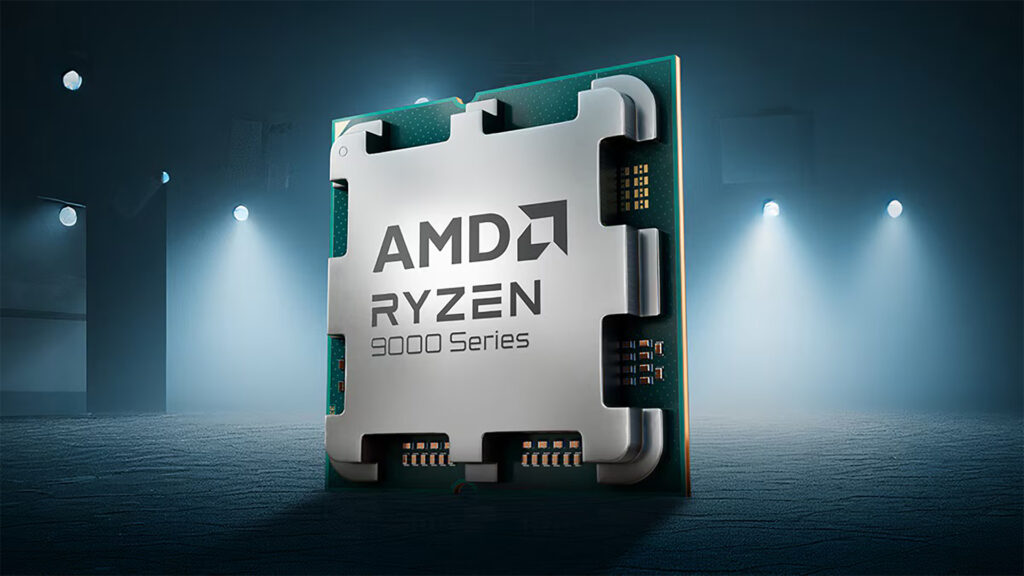
In late October, AMD's mid-cycle Zen 5 refresh leaked, giving us a glimpse at two new X3D CPUs the company has in store for CES 2026. One of those was the Ryzen 7 9850X3D, a higher-boosting version of the existing 9800X3D, and which has been featured in several leaks over the past few weeks. The other chip was a lot more mysterious: a supposed dual-cache Ryzen 9 9950X3D2, but updates on it went radio silent ever since — today, it has finally reappeared on both PassMark and Geekbench.